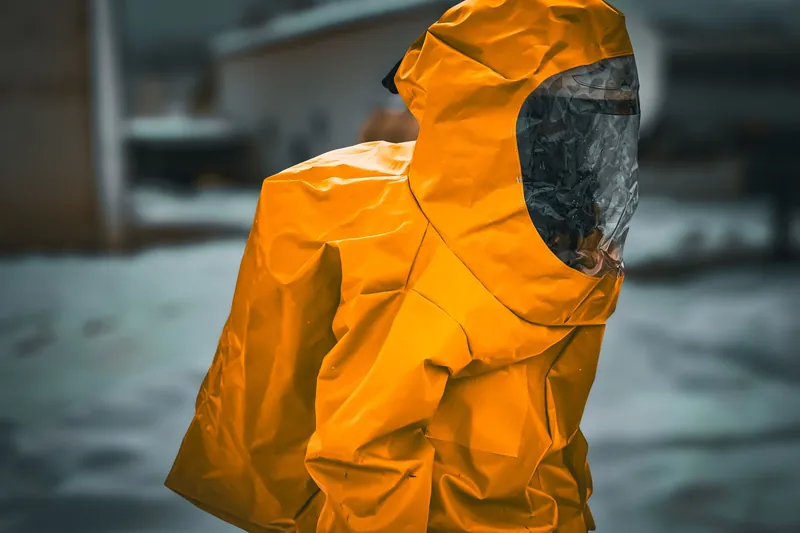
Biohazard Cleanup
Cleanup removes infectious material, including blood and body fluids, and disinfects the property.
See biohazard cleanupGet blood, bodily fluids, human waste, sharps and source odor removed from a hotel room, Airbnb, vacation rental or long-term rental in Sunny Isles Beach. The area is contained, cleaned, disinfected and documented.
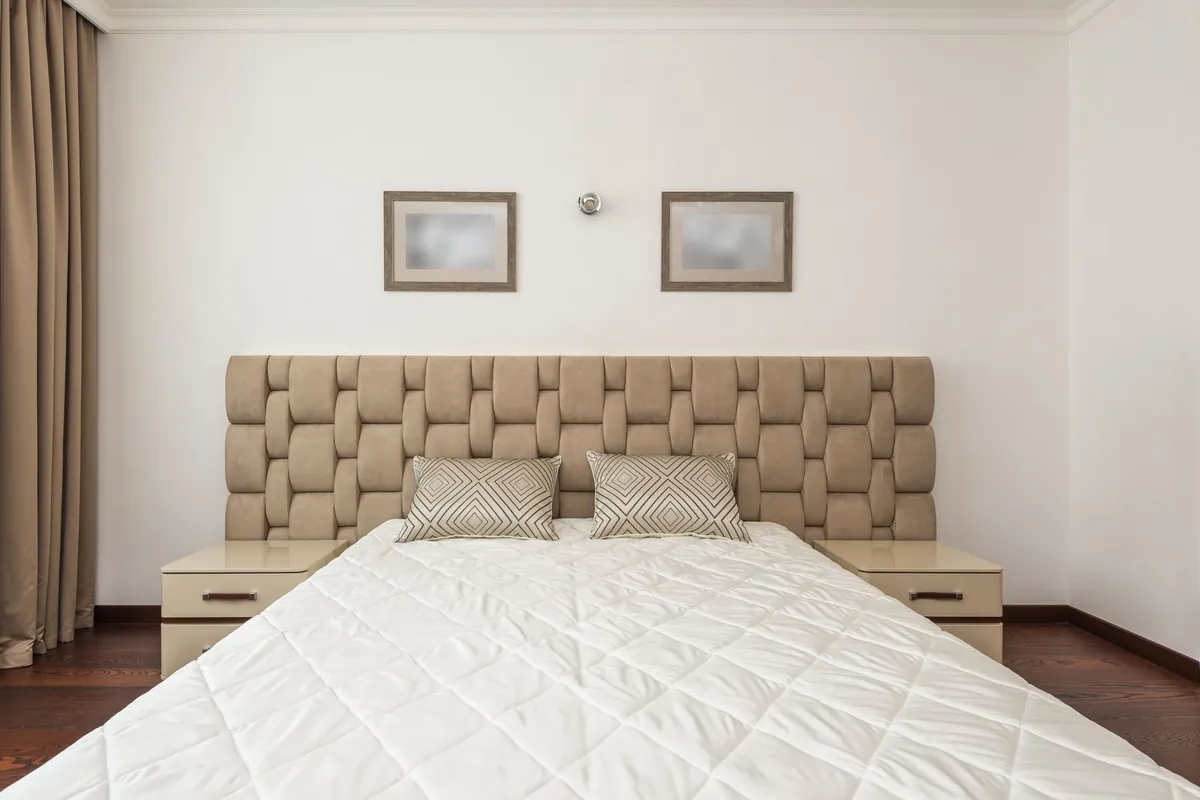
Rental property biohazard cleanup is the safe removal of bodily fluids, human waste, sharps and other hazardous materials from guest rooms, apartments and shared spaces, followed by cleaning, disinfection and odor treatment.
A normal turnover cleaning is meant for dust, food residue and everyday dirt. Biohazard cleaning services are needed when a room contains blood, urine, feces, vomit, decomposition fluids, used needles or another material that may carry germs. Housekeeping staff should not be asked to clean an exposure that falls outside their training and protective equipment.
The cleanup process begins by identifying the affected area and nearby paths that a guest, tenant or staff member may have crossed. Cleanup technicians protect surrounding areas, remove porous materials that cannot be disinfected and treat hard surfaces with an EPA-registered disinfectant for the contact time on its label. The goal is a clean space with no contaminated materials or source odor left behind.
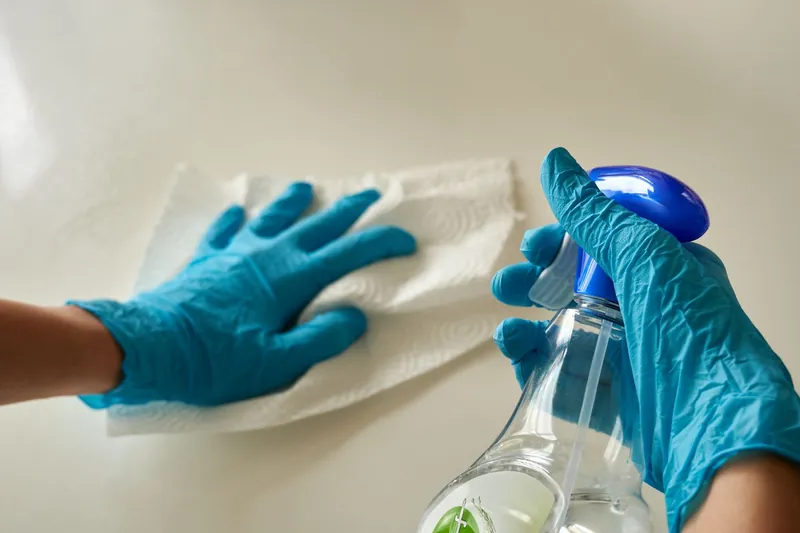
An explanation before work covers the affected area, materials that may stay, necessary removals and cost factors.
Technicians document and carefully treat personal property. Private details stay limited to the people who need them for safety, access and insurance.
Daytime and nighttime calls are answered. Crews come to the property in unmarked vehicles. When available, a private entrance or service corridor can serve as the access route.
A property owner can use pictures, work-scope notes, bills and waste documents to support a claim, organize repairs and return the area to use.
A hotel or rental needs biohazard cleaning when ordinary cleaners cannot remove contamination safely. Common examples are:
Careful collection with puncture-resistant containers is required for loose needles and sharps, rather than using bare hands or standard trash bags.
A host may find bodily fluids, drug paraphernalia or a strong source odor after checkout and need the unit restricted before the next booking.
In a guest room, blood, human waste or bodily fluids can affect carpet, bedding, furnishings and bathroom surfaces.
Contaminated soft furnishings, floor materials or linens may have to come out of a vacation rental before cleaning starts safely.
What you do first can reduce exposure and spreading while protecting useful documentation. Before cleanup technicians come into the rental, follow these steps:
Call (888) 440-9227There is no dependable published range only for hotel, Airbnb or rental property cleanup. General biohazard cleanup guides list a typical national range of $3,000 to $5,000. A residential average range is $1,800 to $4,500 and most residential projects are $2,500 to $8,000. Fixr also publishes a broad span of $1,500 to $25,000. The actual price depends on the type and reach of the contamination, not the booking rate or unit size alone.
Published national cost guides are the source for these ranges, rather than an inspection of your property. You learn what your property will cost after the on-site assessment and before any work begins.
Ask about cost: (888) 440-9227Property insurance can cover biohazard cleanup at a rental when the cause qualifies as a covered event. The facts of that loss and the policy's deductible, exclusions and coverage determine whether payment applies.
Personal property insurance and platform protection each include separate exclusions and limits. Save reservation details, messages, incident notes, photos and invoices, then ask the policy contact about the exact event.
Promptly tell the property insurance company what happened, describe the cause accurately and ask about required records before the owner or manager disposes of damaged materials.
The property owner usually arranges work that affects the building. Final payment responsibility may be determined by the cause, lease terms, relevant law and insurance outcomes.
Victims of violent crime can ask the Florida Attorney General's Bureau of Victim Compensation about cleanup, since its rules count crime scene cleanup costs as a compensable loss. Insurance is usually checked first. Eligibility and covered expenses depend on the program, so the affected person should confirm details directly with the program.
The remediation process follows a controlled order that protects occupied rooms and documents every step. The exact scope depends on the contaminant, surfaces and layout.
Cleanup technicians assess the affected area, route of entry, adjacent rooms and any surfaces that could require removal, cleaning or testing.
The affected room is closed, its doors are controlled and separate paths are established for clean access and cleanup work to limit spread.
Guest belongings and host-owned items are sorted away from linens and things meant for disposal. Technicians avoid moving property that could be important to investigators.
Removal is limited to absorbent materials, including carpet pad, drywall or upholstery, that are too deeply affected to disinfect fully.
Cleaning begins by taking soil off hard surfaces. The surface is then treated with an EPA-registered disinfectant that remains wet for the entire contact time on its label.
Source material is removed before air scrubbers or other odor treatment is used. If odor has spread, technicians inspect surrounding areas and ventilation openings.
Sharps and contaminated waste are documented, closed inside appropriate containers and transported using the disposal path required for each waste type.
The final check covers the cleaned space and work records, followed by an explanation of any walls, furnishings or flooring that need replacement.
Call any hour. A hotel, airbnb and rental biohazard cleanup specialist answers, explains the steps and agrees a start time with you.
The health risk to tenants, staff and guests can be serious because bodily fluids, hidden contamination and sharps may be present even where visible impact seems minor.
Bodily fluid may pass through carpet or bedding and reach the padding, subfloor, seams in furniture or wall margins. Material beneath the surface remains after the visible spot is wiped.
Loose needles pose a puncture and exposure risk to housekeepers, property hosts and guests. Sharps and other hazardous waste need suitable containers and disposal under applicable rules.
The affected person's dignity is protected by a quiet response. Restrict access, do not circulate pictures and tell employees only what they must know to prevent entry.
When a small blood spill is safe to clean yourself. An employee may be able to manage a few drops on a non-porous hard surface if that exposure is covered by the worker's duties, training and protective equipment. Call for professional cleanup when the full affected area is unclear, needles or other sharps are present, or fluids soaked into furniture, carpet, unfinished wood or a wall cavity.
Cleanup can often preserve hard materials with sealed surfaces. Porous items need removal when contamination has soaked into locations that cleaning and disinfection cannot reach completely.
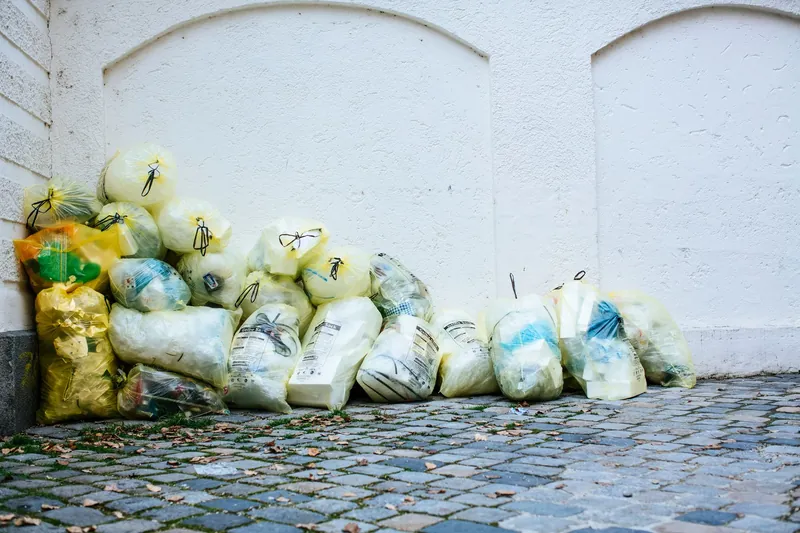
Many rental biohazard cleanups involving a single room take one to three days. A firm timeline requires an assessment of the materials and affected space, and several rooms, structural removal or deep contamination can lengthen the job.
| Scene | Typical time on site |
|---|---|
| One contained room with hard surfaces | Often about one day |
| One usual room with affected furnishings or carpeting | Often one to three days |
| Multiple affected rooms or removal of building materials | May take several days |
First locate and remove what is causing the odor. Bleach, fragrance and ozone equipment by themselves cannot address fluid within furniture, a wall cavity, carpet pad or subfloor. Before treating the air for a lasting outcome, the source material must be uncovered and either cleaned or taken out.
After the odor source is addressed, particles in the air may be captured using HEPA scrubbers. Some occupied-building settings are suitable for hydroxyl treatment, but ozone must be used in a controlled area that is empty, with careful re-entry steps afterward. When odor has left the first room, the check includes hallways, neighboring units and HVAC returns.
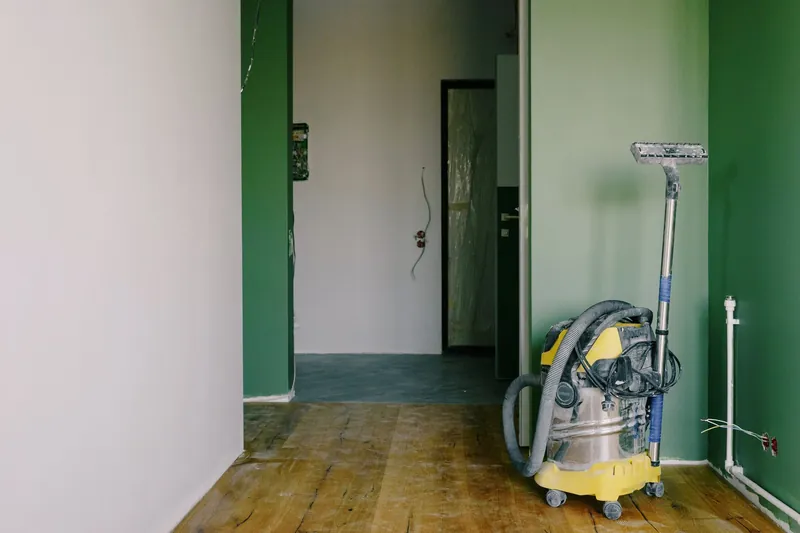
Many rental biohazard cleanups involving a single room take one to three days. A firm timeline requires an assessment of the materials and affected space, and several rooms, structural removal or deep contamination can lengthen the job.
The full hotel, airbnb and rental biohazard cleanup guide covers what is cleaned or removed, odor and air quality work, and the rules that apply in Florida.
Read the full hotel, airbnb and rental biohazard cleanup guidePlanning for access, containment and cleanup can depend on local population, housing and entry conditions.
A renter share of 45.8% means clear photos and item records can help different parties follow what cleanup required.
In housing built around 1983, a moisture check can help define how far sewage or cleaning water traveled.
There are 2,097 seniors living alone locally, so cleanup communication should be calm, clear, and accessible to distant family members.
The 2.8% single-family share makes early building layout checks useful for separating the affected unit from shared spaces.
You can ask about cleanup in nearby communities and ZIP codes during the call.
Cleanup removes infectious material, including blood and body fluids, and disinfects the property.
See biohazard cleanup
Carpet, solid floors, walls and furnishings receive blood cleanup that includes safe disposal.
See blood cleanup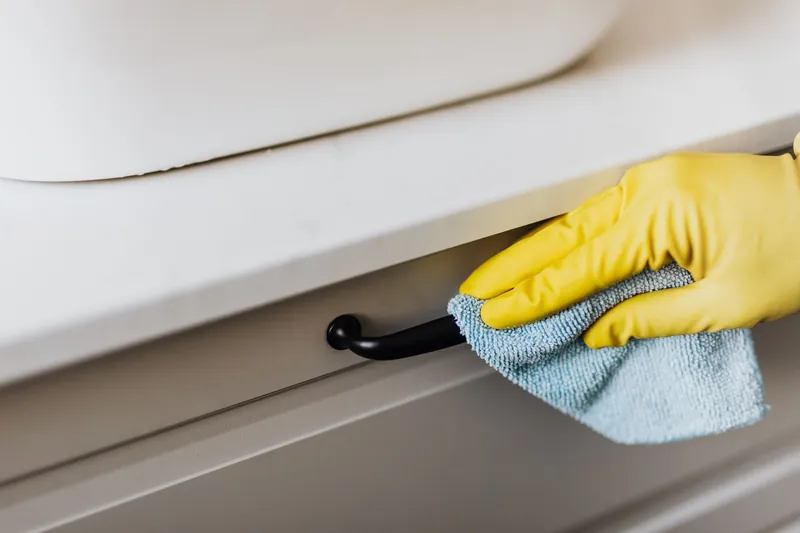
Bodily fluid cleanup removes fluids and disinfects affected areas in businesses, homes and care settings.
See bodily fluid cleanup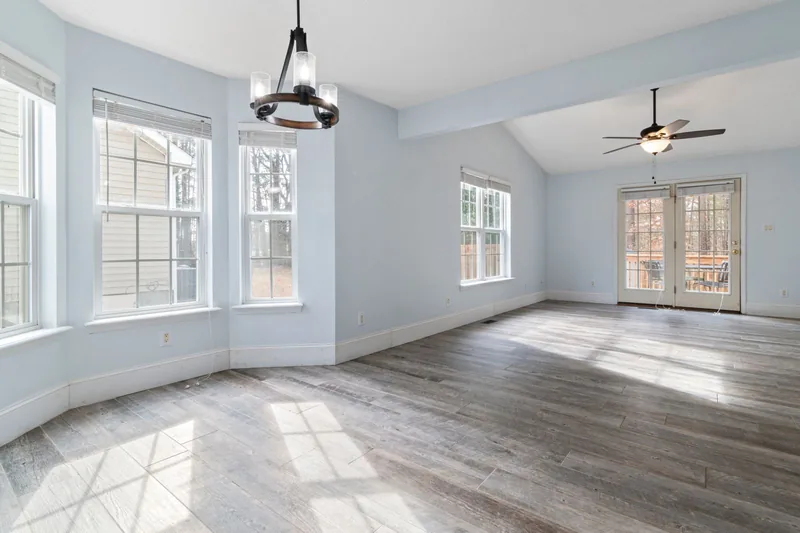
Cleanup when a death went unnoticed for days, with decomposition and odor control.
See unattended death cleanup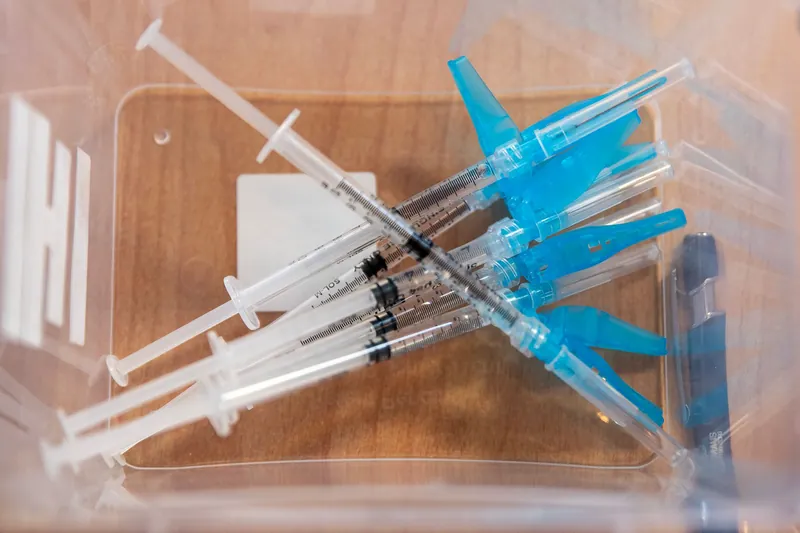
Needles and other sharps are cleaned from rentals, outdoor yards, encampments and parks.
See needle and sharps cleanup
Floors, underlying subfloors and furniture receive urine cleanup with odor removal.
See urine cleanup
Vomit is cleaned and the area disinfected to stop the spread of norovirus and other germs.
See vomit cleanup
Eviction and tenant move-out cleanup of waste, fluids and filth.
See eviction and tenant move-out biohazard cleanupCoverage may apply when the incident qualifies under platform protection or the property's insurance policy. Policy deductibles, exclusions and required records differ. Explain the cause correctly, verify coverage for biohazard remediation and damaged structural materials, and find out if the adjuster requires pictures before removal of contaminated property.
No reliable published price range exists specifically for rental property cleanup. General biohazard cost guides list ranges from $1,800 to $4,500 for a residential average and $3,000 to $5,000 as a typical national range. Actual cost depends on how deeply contamination penetrated, the rooms and surface materials involved, disposal needs and odor treatment.
A property manager or owner typically coordinates the work required to protect the structure and later occupants. Who pays in the end may be decided by the lease, event cause, local legal rules and insurance findings. Contact the property's insurance company and save all related evidence, including reservation details, incident records, photos, invoices and cleanup reports.
Finding and taking away the source comes before any air-quality treatment. Carpet pad, furniture, subfloor or wall material may need to be exposed if fluid reached it. Any air quality concerns that remain following cleaning and disinfection may be treated with air scrubbing or another suitable process. Fragrance may mask odor but cannot eliminate the biohazard source.
Professional cleanup removes blood, human waste, bodily fluids, sharps and additional contaminated materials from hotels, vacation rentals, Airbnb units and long-term rental homes. The process controls who enters, takes out non-disinfectable materials, cleans non-porous surfaces, applies an appropriate disinfectant for the complete contact time and addresses the odor source.
Whether the item can stay depends on access to every absorbent layer touched by bodily fluids. Treatment may work for a compatible surface with a small affected spot. Penetration into a cushion, carpet pad or mattress often calls for removing it. The decision is based on contamination depth and whether every affected surface can be cleaned and disinfected.
Crews offer discreet and respectful hotel, airbnb and rental biohazard cleanup, arrive in unmarked vehicles and take calls 24 hours a day.